
Abstract:
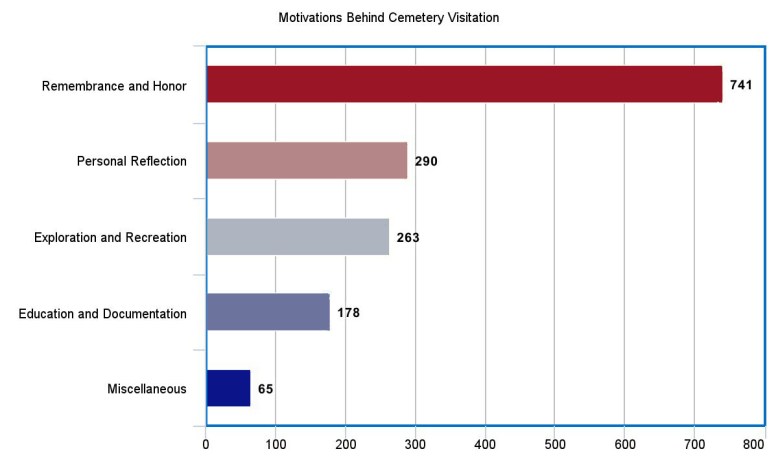
This thesis respectfully interprets a community of people who are in rest together and implements the concepts and ideals of a museum into the non- traditional outdoor space of a cemetery. Guided by key research questions, this study analyzes visitors’ motivations in cemeteries as Remembrance and Honor; Personal Reflection; Exploration and Recreation; Education and Documentation. These motivations are applied to a design application that interprets a posthumous community and facilitates context and connections for both the living and the deceased. By combining memorialization, storytelling, and history of those who came before us, cemeteries can create connections and bridge the gap between people both living and memorialized.
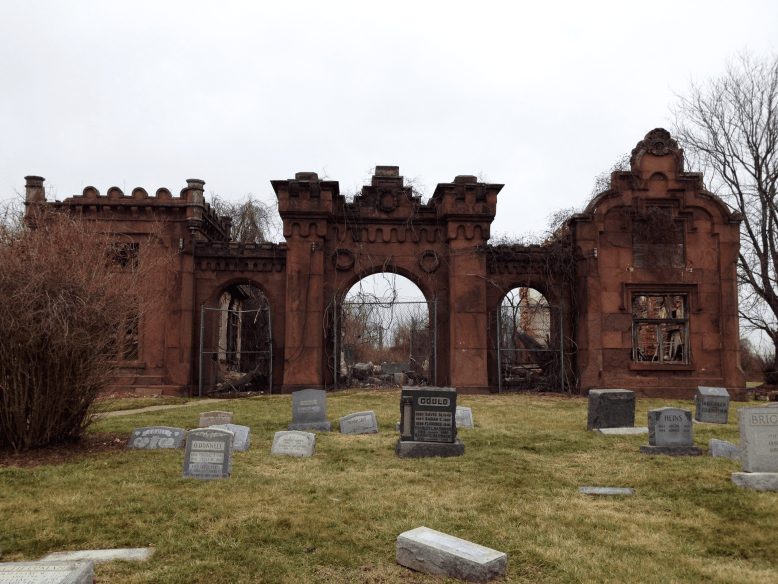
Though this study researches cemeteries across America, the design application developed for this study focuses on Mount Moriah Cemetery in Philadelphia and Yeadon, Pennsylvania. Established in 1855, Mount Moriah Cemetery is a historic 380 acre burial ground which spans Cobbs Creek and unofficial estimates suggest over 300,000 are interred. Currently, it is the largest cemetery in Pennsylvania and the largest abandoned cemetery in America. Very nearly completely overgrown, Mount Moriah Cemetery closed in 2011 after years of neglect. Today, it is cared for by a devoted non-profit volunteer group, The Friends of Mount Moriah Cemetery.


Due to the limited research on visitor motivations to cemeteries, this study takes an exploratory approach. The principal method of study was a mixed questionnaire. As this is exploratory research, the survey consisted of both open-ended and multiple choice questions. Open-ended questions were asked about visitation and legacy to compare to established motivations from previous research. Multiple choice questions were asked to provide a variety of options to the visitors more pointed to the intended purpose of the study, however an “other” option allowed visitors to include answers not already listed. Additionally, multiple choice demographic questions were also asked in order to establish a profile of visitors to cemeteries.
Due to the open-ended nature of these questions, surveyors were given the opportunity to provide multiple answers to each question. With 200 surveyors, these four questions collected a total of over 1,537 responses. Once analyzed, these responses revealed the top four motivators behind cemetery visitation: Remembrance and Honor; Personal Reflection; Exploration and Recreation; and Education and Documentation.
A variety of audiences may be attracted to cemeteries, each with different motivations and expectations for their visits. For this study, four personas were created to represent the needs and behaviors of the cemetery visitors. These design targets were inspired by the initial research, survey analysis, and data gathered in the study.


 Emily Pierattini